Goodreads / James Muiruri: The Ng'ethu Star
James Muiruri: The Ng'ethu Star.
When Death Took The Wrong Man.
🕒 Saturday, January 24, 2026 | By Augus.
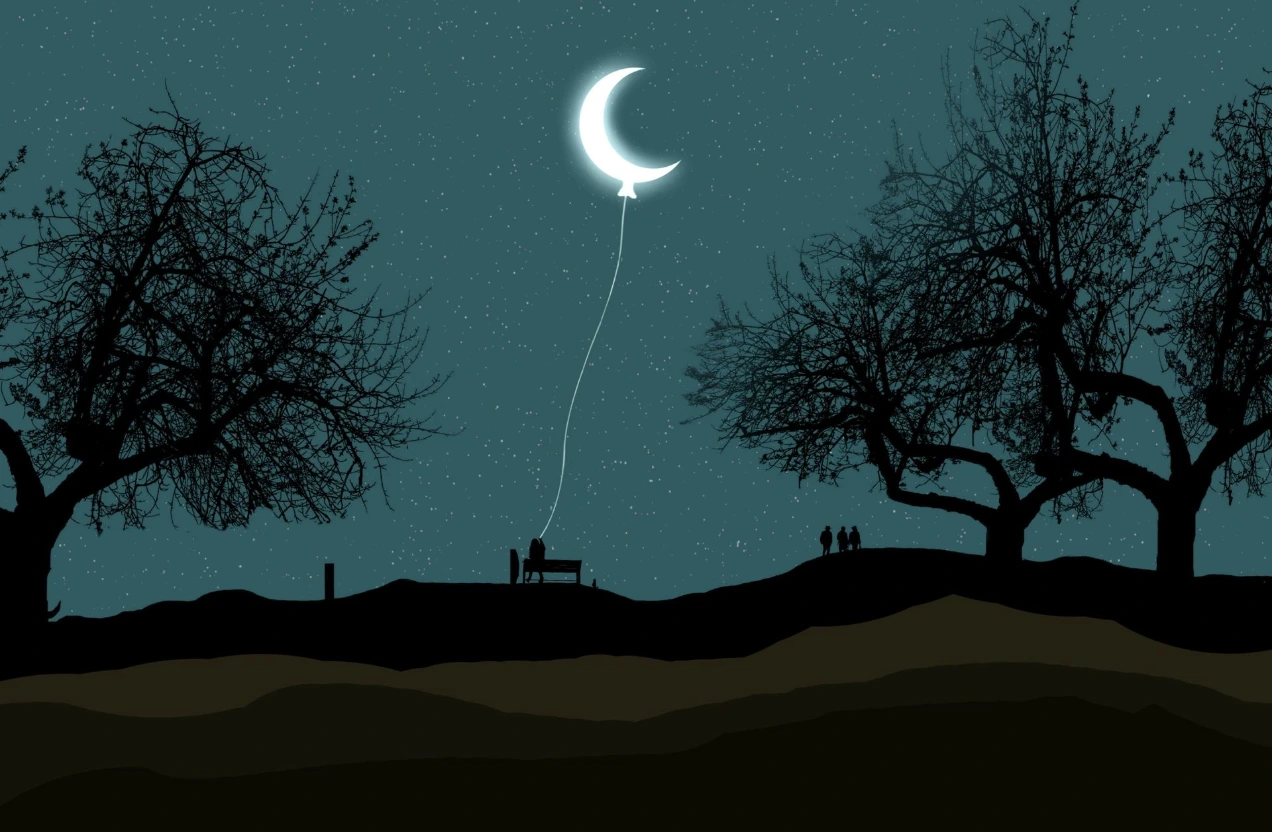
Image Credits: Syaibatulhamdi
Trigger; Death
Death has always been arrogant.
It arrives unannounced, unbothered, unafraid of protest. It does not knock. It does not explain itself. It does not apologize. It simply takes. And more often than not, it takes blindly. Or so we tell ourselves.
But every once in a while, death feels less like an inevitability and more like a mistake.
As if the Angel of Death, fatigued or distracted, struck the wrong soul and left behind its preferred candidates—the cruel, the hollow, the morally bankrupt—while plucking from us someone who still had too much light to give. Someone who was still becoming. Someone whose absence leaves a silence louder than their voice ever was.
James Muiruri was one of those mistakes.
There are lives that end quietly, barely leaving ripples. And then there are lives that end prematurely and yet somehow feel complete—full of effort, intellect, generosity, and ambition that most of us, with decades ahead of us, will never summon. James lived one of those lives. Brief, yes. But dense with purpose.
“From that Destined Child beneath the Stars that light the African Village along the valleys of River Chania, to the Road to Doctorate and Beyond the eagle's heights…”
Those were his words. And they were not empty poetry. They were prophecy.
A Mind That Refused to Be Ordinary
James was not just another bright student, another promising youth, another “he had potential” obituary footnote. He used his potential. Aggressively. Relentlessly.
He pursued education not as an obligation, but as a calling. Learning was not something he did to impress; it was something he did to understand. To question. To dismantle lazy thinking. To rise. While many coast through academia, James climbed it—eyes fixed far beyond certificates, toward ideas, impact, and legacy.
And yes, he was a Member of Parliament’s son. A fact that could have easily become a crutch. A convenient shortcut. A comfortable excuse to be average.
But James did the opposite.
He worked as though that advantage did not exist. Or perhaps as though he was determined to prove that lineage alone means nothing without substance. Despite access, despite proximity to power, despite the safety nets many would lean on—his accomplishments stood on their own merit.
That, to me, is the mark of true character.
The Writer, The Thinker, The Chronicler of Thought
James wrote the way thinkers write—not to entertain, but to interrogate reality.
His blog, ngethustar.blogspot.com, remains a quiet archive of a mind that refused to shrink itself for comfort. His words carried weight. They carried patience. They carried a certain old-soul honesty that is increasingly rare in an age of noise.
He wrote about identity, ambition, Africa, destiny, education, and self-belief. Not in clichés. Not in borrowed wisdom. But in language that felt lived-in.
Reading his work, you sensed a man in conversation with himself, with history, with the future he was preparing for. His philosophies were not loud, but they were firm. Grounded. Earned.
James believed in becoming. In stretching oneself toward something higher. In not allowing circumstance to dictate ceiling.
And perhaps that is why his death hurts the way it does.
A Violent End, A Moral Failure
James did not die because his time had come.
He died because wickedness still walks freely among us.
Because somewhere along the way, humanity misplaced its morals. Because someone—an ugly soul with no regard for life—made a decision that cannot be justified, explained, or redeemed. I will not dignify that person with a name. Some people deserve anonymity, not remembrance.
What matters is this: a brilliant life was ended by senseless violence.
And that should disturb us.
It should force us to ask hard questions about who we are becoming as a society. About how casually we treat life. About how easily rage, greed, or cruelty overrides conscience. About how many futures have been buried because someone else lacked restraint, empathy, or basic humanity.
James’ death is not just a personal tragedy. It is a moral indictment.
What His Life Still Teaches Us
Despite his premature death, very few of us alive today can honestly claim to have matched James’ intellectual hunger, discipline, and clarity of purpose.
He reminds us that time is not promised.
That privilege is meaningless without effort.
That brilliance must be exercised, not admired.
That words matter.
That ideas outlive bodies.
Most of all, James reminds us that life is not measured in years, but in depth.
He may not have lived long—but he lived intentionally.
And that is a legacy death cannot erase.
In Closing
There is a saying I imagine James would have appreciated—that life is less about reaching the destination and more about how fiercely you walk your path.
Or perhaps he already said it better himself.
From that destined child beneath the stars… to beyond the eagle’s heights.
Some people never leave the ground. James did. And even in death, he remains airborne—etched into memory, thought, and unfinished conversations.
Death may have taken the wrong man.
But it failed to take his voice.
THE END!
TAGS
Goodreads | Life | Ng'ethu Star | Death
ABOUT
Meditations, confessions, reflections, and everything in between.